Skip to content

Garment ERP software for apparel manufacturers

eManage Garment ERP is production and accounts software for hosiery and apparel units. It controls style orders and fabric-to-cut reconciliation, bundle-wise line WIP, piece-rate wages from counted output, and job-work fabricators with ITC-04. It is implemented on site by the eManage team from Ludhiana, Punjab.

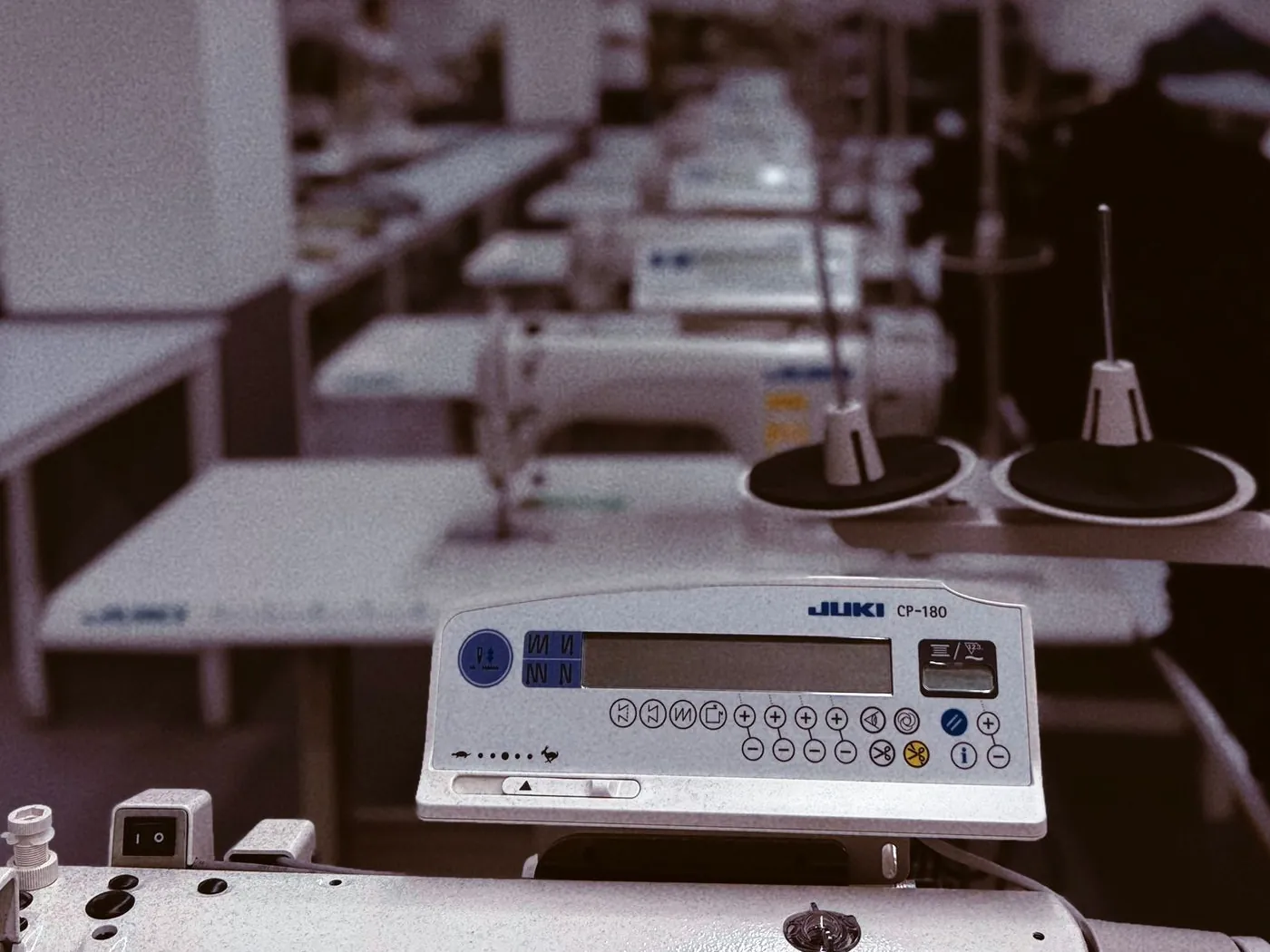
Garment ERP shop floor
  • 500+ plantsRunning eManage since 2000
  • On-site implementationBy our own engineers
  • Support you can callNamed engineer, phone and WhatsApp
  • GST built inE-invoice, e-way bill, ITC-04
THE FLOW

Five steps on eManage, from material in to dispatch

1 FABRIC IN2 CUTTING3 STITCHING4 FINISHING & QC5 PACKING
PLANT FLOW · GARMENT ERP
  1. 1 FABRIC IN Rolls by lot · shade
  2. 2 CUTTING Lay plan · bundles
  3. 3 STITCHING Lines · piece-rate · WIP
  4. 4 FINISHING & QC AQL · rejection
  5. 5 PACKING Carton · e-way bill
eManage CORE ONE DATABASE · GST · PAYROLL
WHY PLANTS SWITCH

Sound familiar? eManage fixes all four

Garment units leak money in three places: fabric issued to cutting that is never reconciled against the marker, bundles that sit between lines with nobody sure where, and piece-rate wages worked out from paper slips. This edition tracks all three by bundle.

Fabric disappears in cutting

Issued fabric, marker consumption and pieces cut never reconcile, and the gap shows up only at stock-taking.

Nobody knows line WIP

Supervisors count bundles by hand; the merchant phones the floor to promise a shipment date.

Piece-rate disputes every week

Operation slips are re-counted and retyped, and the same bundle gets claimed twice.

Ratio packing done on paper

Size-ratio cartons, packing lists and invoices are prepared separately and do not always match.

Here is how Garment ERP handles each of these.

WHAT IT HANDLES

eManage covers every control point of a garment unit

8 controls that come built into Garment ERP, each tied to the same lot, order and ledger.

Illustration: control points covered by Garment ERP

Style & order sheet

Fabric & cutting control

Line WIP by bundle

Piece-rate wages

Job-work fabricators

AQL & rejection

Trims & accessories

GST billing & accounts

FREE DEMO

See eManage Garment ERP with your own data

Send a few real documents before the call. An implementation engineer who knows your trade runs them through eManage, online or at your plant.

In the demo we show

  • One of your style sheets as a sale order
  • A cutting plan with fabric reconciliation
  • Bundle WIP and piece-rate wages
  • Ratio packing, invoice and e-way bill

Book a free Garment ERP demo

Name and phone are enough. We call within one working day.

We call within one working day. Your details are used only to arrange the demo; see the privacy policy.

WHAT CHANGES

What changes on the floor with eManage

The people and machines stay the same. Each movement is recorded where it happens, so the owner reads a screen instead of waiting for the month-end register.

Swipe the table sideways to see the eManage column.

Registers and Excel compared with eManage Garment ERP
Area Running on registers / Excel Running on eManage Garment ERP
Fabric to cutting Issued on a slip; reconciled against the marker at month end, if at all Issued by roll against the lay; consumption versus standard per style
Line WIP Supervisor counts bundles by walking the line Bundle ticket scanned at each operation; WIP by line and size
Piece-rate wages Paper slips totalled by the contractor every week Statement built from counted pieces per operation and rate
Job-work fabricators Challan book; shortage argued at settlement Challan, receipt, shortage and ITC-04 per fabricator
Rejection Known at final checking, by piece count only Defect codes per bundle in-line; rework returned to the line
ON THE FLOOR

How eManage Garment ERP works, stage by stage

Cutting room

From style sheet to cut plan, with fabric reconciled

  1. 1

    The sale order fixes style, ratio and consumption. Fabric and trims are reserved against it, and shortages are listed before the cut date.

  2. 2

    Rolls are issued to the table against a lay. Marker length, plies and cut quantity are recorded, and leftover fabric returns to stock by roll.

  3. 3

    Actual consumption is compared with the standard per style. The owner sees which style and which cutter is losing fabric.

Fabric reconciliation by lay and style
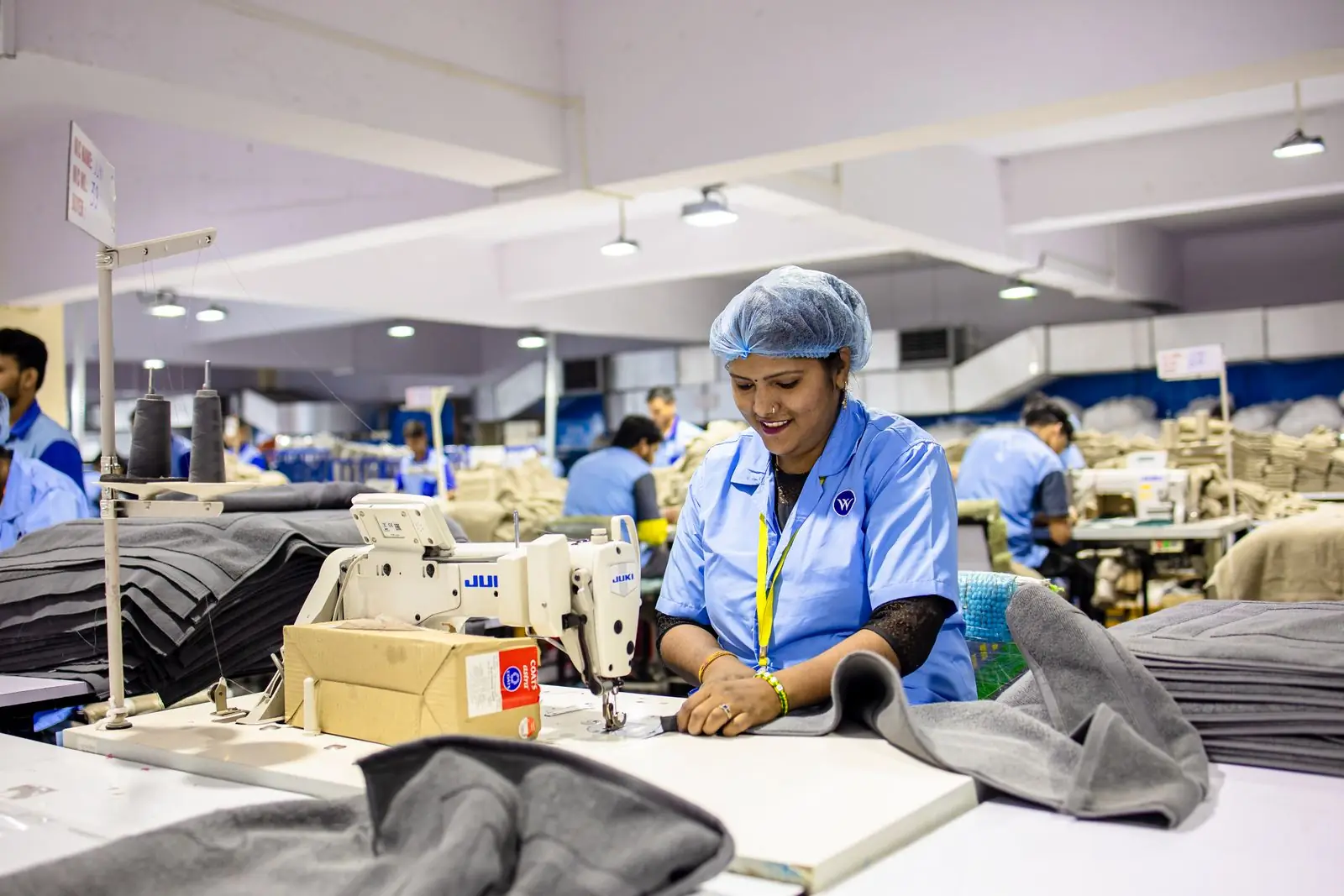
Garment ERP, From style sheet to cut plan, with fabric reconciled

Sewing floor

Bundles move, the system counts

  1. 1

    Every bundle carries a ticket scanned at each operation. The system knows how many pieces of each size are at which line.

  2. 2

    Output per operator and operation feeds the piece-rate statement. Contractors are paid on the same counts at shift end.

  3. 3

    In-line checkers record defects by code against the bundle. Rework and rejection are known per line before final inspection.

Line WIP and piece-rate from one scan

Garment ERP, Bundles move, the system counts

Finishing & dispatch

Pack by ratio, bill by set, ship against the order

  1. 1

    Final inspection on AQL sampling passes or holds the lot. Only passed pieces move to packing.

  2. 2

    Packing lists are built by size ratio and carton. Buyer barcodes print where required, and short-shipped sizes show against the order.

  3. 3

    Invoice, e-invoice and e-way bill come from the packing list. Garments received from fabricators join the same dispatch.

Ratio packing and e-invoice from the packing list

Garment ERP, Pack by ratio, bill by set, ship against the order

Read: What is manufacturing ERP?

REPORTS

eManage reports the owner reads every morning

Built from the floor's own entries, so they are current when you open them, on the desktop or the phone.

Order status by style

Cut, in line, at fabricator, finished and packed quantities for every style and colour.

Cutting reconciliation

Fabric issued vs marker plan vs pieces cut, by lay and style.

Line WIP and output

Bundles at each operation, hourly output and line balance.

Piece-rate wage sheet

Earnings by operator and operation, straight from bundle entries.

AQL and rejection

Inline and final inspection results with defects by type and line.

Cost per piece

Fabric, trims, CMT, wages and rejection against the FOB price.

FIRST 90 DAYS

Your first quarter on eManage

  1. Fabric reconciled per layCutting loss is measured on every lay, so excess is questioned the same week.
  2. Shipment dates from the floorMerchants read line WIP and fabricator stock instead of calling supervisors.
  3. Wages without disputesOperators and accounts read the same bundle count, once.

EMANAGE GARMENT ERP

plants running eManage
500+
industry editions
12
years building one product line
26+
implemented on site by our own engineers
100%
GO-LIVE

eManage goes live in about six weeks, on site

How implementation works
  1. Week 1 Process study
  2. Weeks 2–3 Configuration
  3. Week 4 Data migration
  4. Weeks 4–5 Training by role
  5. Week 6 Go-live on site
  6. After Named support engineer

FAQ

eManage Garment ERP questions

Something specific to your unit? Ask an implementation lead.

We give most of our sewing to outside fabricators. Does it handle that?

Yes. Cut panels or fabric go to the fabricator on a job-work challan with quantity and rate. Garments are received against that challan, shortage and rejection are tracked per fabricator, and ITC-04 and the fabricator's bill are prepared from the same entries. Nothing is re-entered for GST.

How are piece-rate wages worked out?

From the bundle counts recorded at each operation. Each operation has a rate per style, so an operator's weekly statement is the counted pieces multiplied by the rate, with rejection deductions and advances applied before payout. Contractor bills are checked against the same counts, so there is no separate wage register.

We run accounts in Tally and production in Excel. What moves across?

Party, item and ledger masters with opening balances are imported from Tally, and style, consumption and rate sheets are loaded from Excel at go-live. You can run accounts in eManage, or keep Tally for final accounts and export sale and purchase vouchers from eManage. The ledger mapping is done during implementation.

Is it suitable for a 100-machine unit, or only larger factories?

Units from a few lines to several hundred machines run the same edition. A small unit scans bundles from one or two points; a larger one adds scanning per line and the Garment eQC app for checkers. Go-live for a single factory is typically 4 to 6 weeks with on-site implementation from Ludhiana.

What does Garment ERP cost?

Pricing depends on the number of users, the modules you switch on and whether you run it on the cloud or your own server. It is quoted as a licence plus a one-time implementation fee after a demo on your own style sheets and bundle tickets. Call +91 98156 23402 or write to info@emanage.in for a quote.

Can checkers record defects on a phone?

Yes. The Garment eQC Android app (emanage.in/garment-qc-app) lets in-line and final checkers scan the bundle, pick the defect code and record pass, reject or rework on the line. Results post to the same bundle record, so AQL reports and rework counts are available without a paper inspection sheet.

Related: Garment eQC appWhat is manufacturing ERP?eGate gate-pass app

Garment ERP demo

Bring a style sheet and a week of bundle tickets. We run them on eManage.

We will run that style from cut plan to piece-rate statement on eManage, using your own consumption, rates and lines.

500+ plants live
12 editions
26+ years